





BEYOND BB
Exploring topics and issues in our culture that affect us and our BBNI companies today.
Who is your role model?
At different times over the years you may have answered that differently. Often a role model is a family member, a teacher, a leader in a sports club or church group; sometimes the role model is a more famous person.
I wonder what the answer would be if you asked all the boys in your BB company?
In a culture that is dominated by what is seen on a smartphone, where news comes from influencers rather than credible journalists, how do positive role models gain visibility?
The recent ‘Lost Boys: State of the Nation’ report from the Centre for Social Justice highlights the significant challenges being faced by young men and boys, with young men in particular feeling that they are viewed negatively by society. How often do you now hear the word ‘toxic’ paired with ‘masculinity’?
I recently attended Ulster University’s ‘Taking Boys’ Seriously’ conference. Building on the 2012 study ‘Taking Boys’ Seriously’ by Ken Harland and Sam McCready, the team at Ulster University has developed 10 Taking Boys’ Seriously Principles to help inform engagement with boys and young men in education and youth work settings. Work has continued beyond the formation of the principles with partnerships being formed with educators and youth work providers, offering opportunities to participate in further research and gain practical skills and knowledge to help implement the principles to increase the effectiveness of working with boys and young men.
As I listened to the speakers challenge us about who is influencing the narrative on masculinity, I was once again encouraged by the positive role that BBNI plays in the lives of boys and young men and was struck by how relevant our new vision is. We are raising a generation who do not know what it means to be a man. Culture is dictating a certain set of behaviours, with disturbing messages being smuggled in among glossy facades and imagery. We have such a tremendous opportunity with over 11,300 boys and young men to show them an alternative view, to ensure that they are seeing positive role models and to change their narrative on what it means to be a man. Our vision is to raise generations of Christ-like men. That is a vision we can all contribute to.
The Lost Boys report is not an easy read. It shines a light on real issues facing our boys and young men. Struggles with education, mental health issues and unstable family environment are just a few of the issues. However stark the report is, positivity and potential are clear. In the foreword, Andy Cook, Chief Executive for the Centre for Social Justice says:
‘Boys and young men have enormous potential. They always have, and they always will. We must stop seeing masculinity as a problem to be solved and start seeing it as a strength to be nurtured. Strength, resilience, responsibility - these are not traits to be suppressed but harnessed for good.’
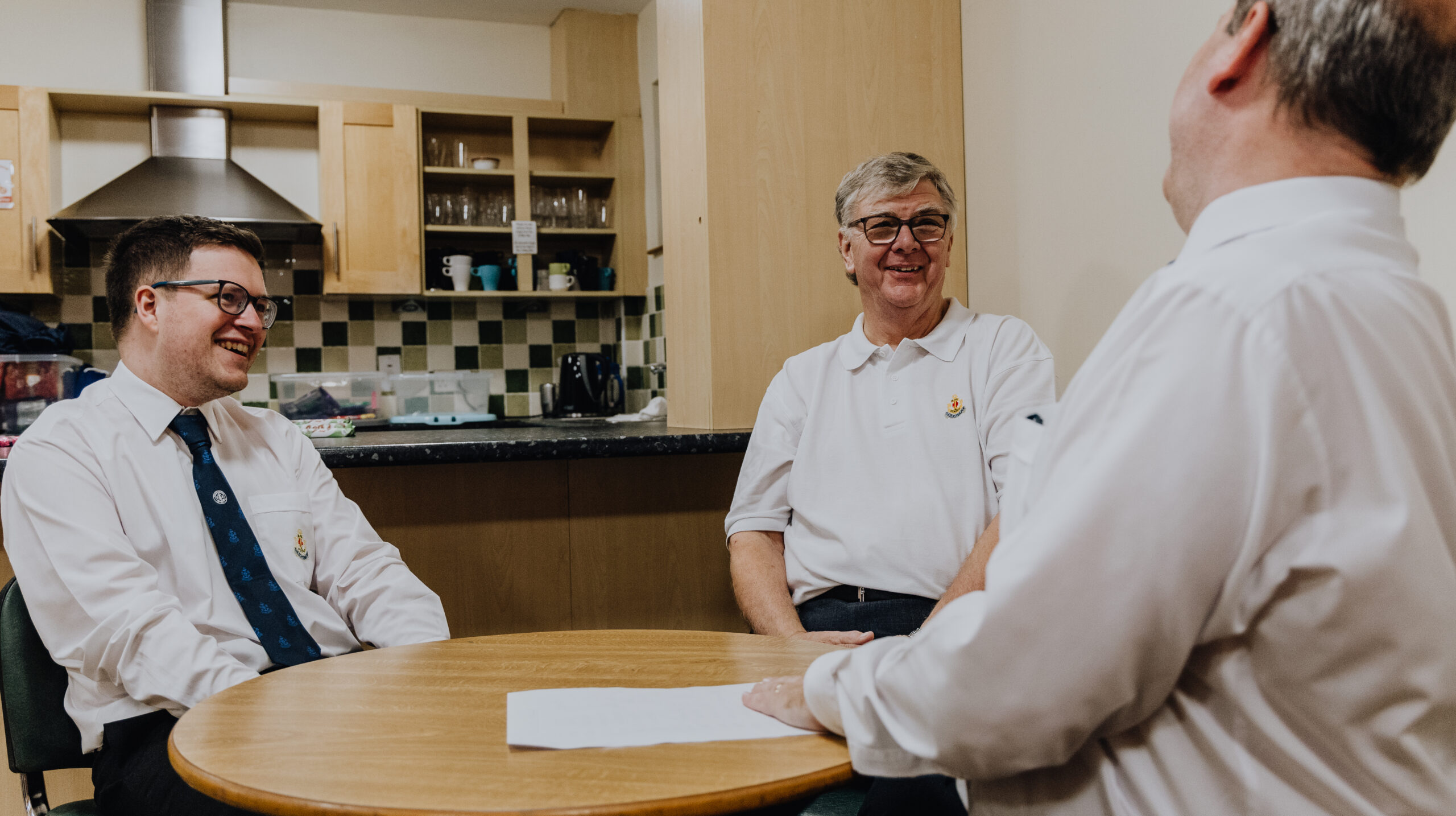
BBNI is fortunate to have over 2,600 volunteer leaders who are committed to working with boys and young men, offering them opportunities to participate in activities, learn new skills and take on new challenges. Most importantly, the leaders want to introduce boys and young men to Jesus, showing them the difference that having a personal relationship with Jesus makes.
Boys and young men have so much potential. Let’s continue to walk alongside them, role modelling Christ-like behaviours and working with them as we strive to change the narrative on masculinity, championing them, supporting them and helping them realise their full potential. And let’s pray that the boys and young men that we work with will take up the invitation to become a follower of Jesus.
Written by Lisa Keys, Chief Officer, The Northern Ireland Boys’ Brigade.
In Other News

Link to Anchored – New Year News Post
Anchored – New Year
Well? Did you stay up? Did you manage to keep awake to ‘bring in the New Year’? New Years Eve is observed worldwide, with countries and cultures keeping time-honoured traditions…
What To Read Next


Anchored – Remembrance Day
Remembrance. It was an honour and a privilege for Officers and Young Men from 1st Raffrey and 1st…